
Luscious vinyl, that sounds as great as it looks. Subject to availability.


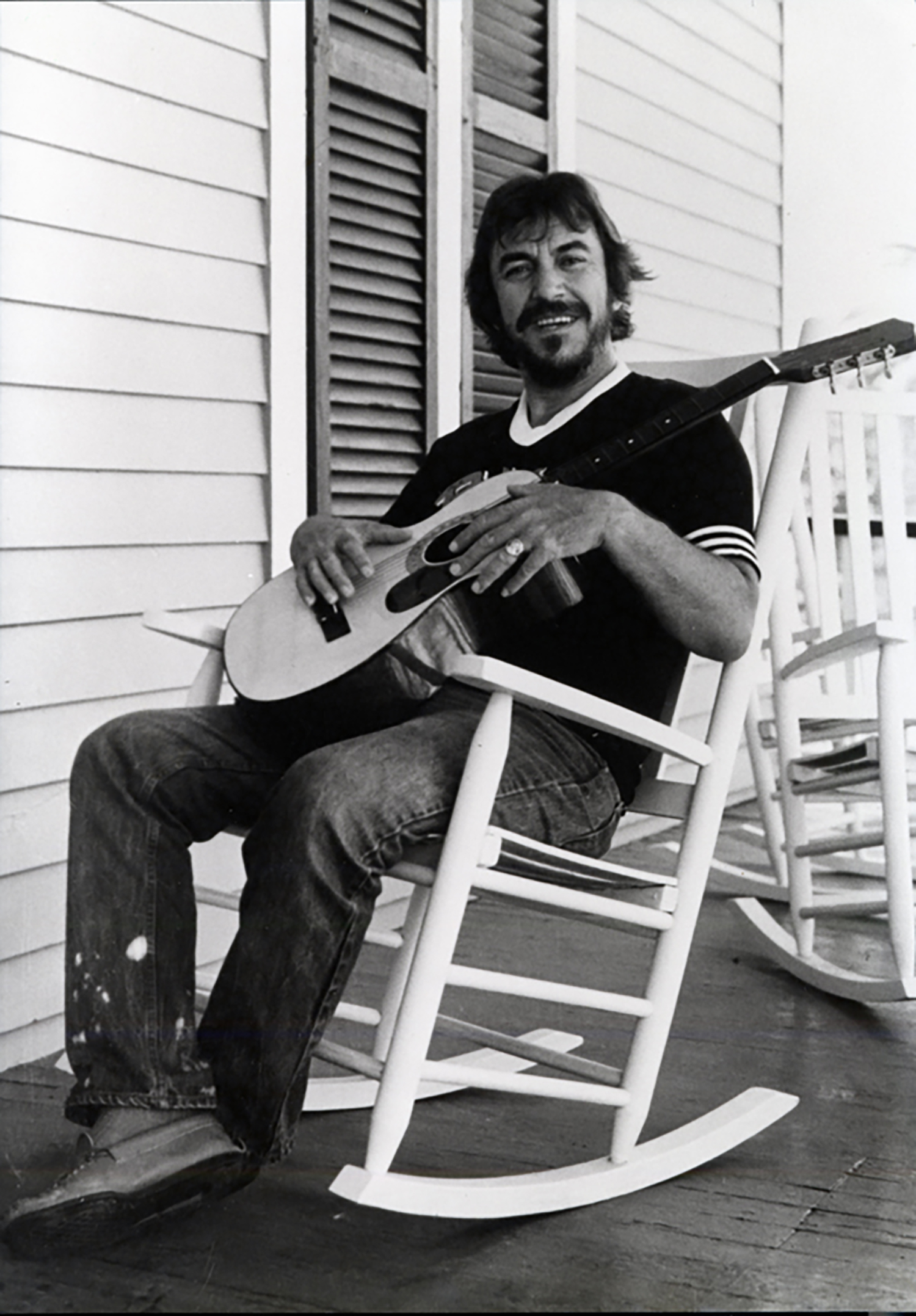
In December 2025 I was able to reissue Bobby’s “Last Train To Memphis” album and if you are interested in the story behind that, I recalled how it came about in this note at the time. But for a long time before that I had wanted to put together a package that would be a lasting tribute to this quiet Louisianan.
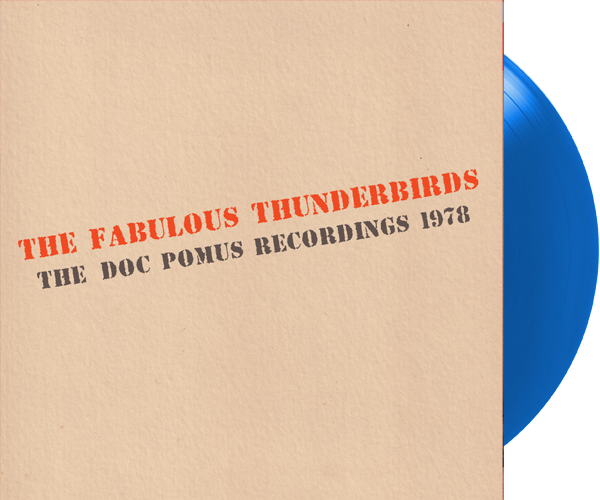
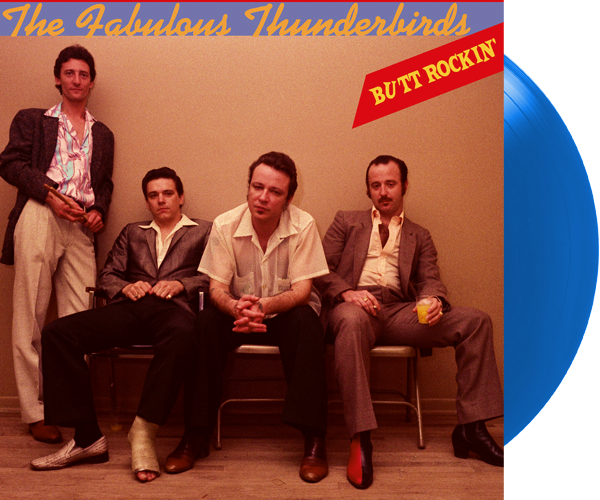
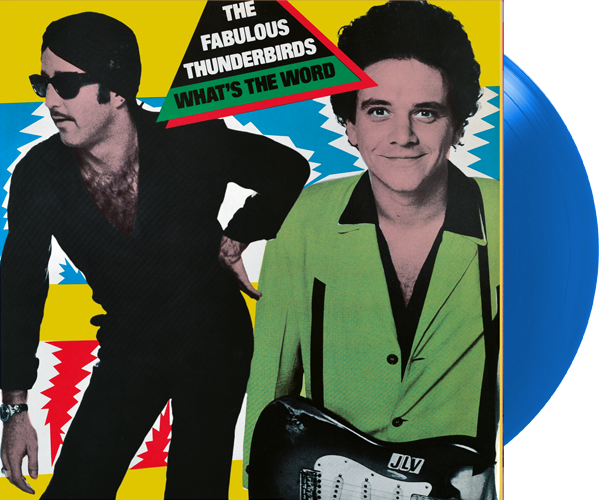
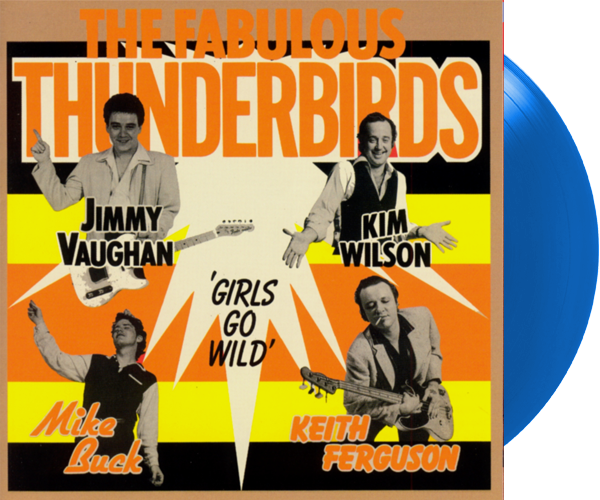
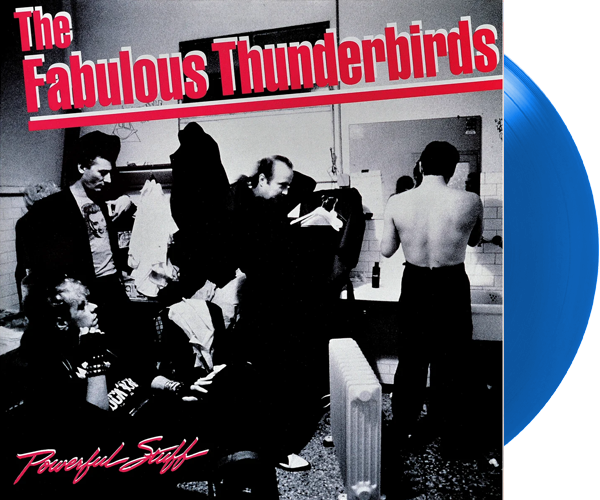
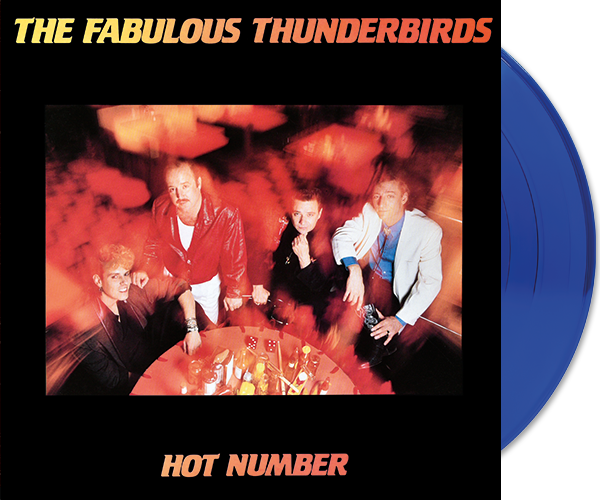
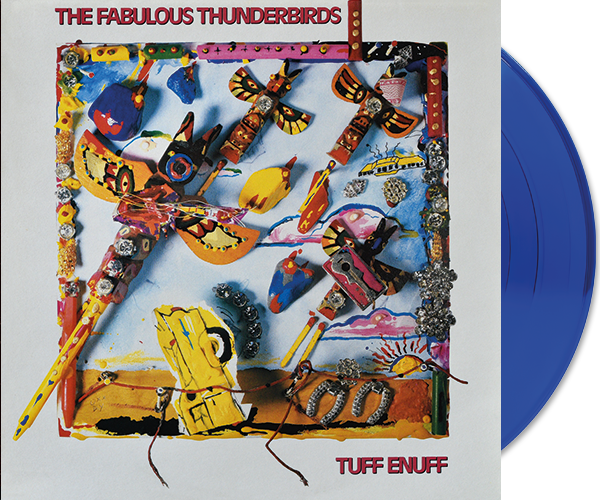
Having successfully completed “The Paul Brady Archive” and “The Fabulous Thunderbirds (The Jimmie Vaughan Years)” in the form of multi-disc media books, I decided that similar packaging would be the ideal format for what has turned out to be an eight-disc set and a lot of words and pictures. And what a truly great collection of music, words and pictures this is.
Projects like this take me a long time to produce because there’s no point in rushing something that is such an enjoyable process. It’s wonderful to see and hear it in the post-natal clinic on time without any emergency treatment having been necessary.
Having got the “Last Train To Memphis” reissue underway, I had talked to Charles Sonnier about my idea for “The Bobby Charles Story”. Charles was a lifelong friend of Bobby from their early school days together in Abbeville, Louisiana, and as his attorney, was the executor of the Bobby Charles Trust LLC. Since Bobby’s death, in his capacity of executive producer, Charles had recently completed David Dubos’ production of the filmed documentary “In A Good Place Now” and was keen for me to get involved in marketing Bobby’s recorded catalogue. A DVD of the documentary is the eighth disc in this set.
We both agreed that this set would be the perfect opportunity to assemble Bobby’s recordings as a songwriter spanning the three phases of his career.
The first phase is all captured on disc one. “Later Alligator” and “On Bended Knee” were both recorded using Bobby’s own band at Cosimo Matassa’s original J&M Studio on North Rampart Street in New Orleans. His band for those two cuts included Larry Guidry (guitar), Edwin LeBlanc (piano), Harry Simoneaux (tenor sax), Raoul Prado (tenor sax), Carlo Marino (tenor sax) and Kenneth Theriot (drums). Following his trip up to Chess Records in Chicago, Leonard Chess had made it clear that he only wanted to sign Bobby to the label…not the whole band. Consequently, the next two tracks he cut for the second Chess single (“Don’t You Know I Love You” and “Why Did You Leave Me”) were recorded with session musicians at the Chess studios. Then it was back down to the new Cosimo’s Studio at 523 Governor Nicholls Street, in New Orleans for “Take It Easy Greasy”, “No Use Knocking”, “Laura Lee” and others with a bunch of top session guys who were unmistakably accustomed to backing Fats Domino and other local musical giants; Edgar Blanchard (guitar), Frank Fields (bass), Edward Frank (piano), Lee Allen (tenor sax), Alvin “Red” Tyler (baritone sax), Charles “Hungry” Willams (drums). After the success of “See You Later Alligator” in 1955, Chess Records tried to transform the young Bobby Charles from being a songwriter into a performing artist. They put him out on the road with other artists on the label. Bobby was the only white guy they had and touring together in certain parts of the USA led to inevitable problems. Not between the musicians…this was pre- civil rights America. When Fats Domino hit the charts with Bobby’s “Walking To New Orleans”, he agreed to sign to Imperial Records as an artist and songwriter. During these early years when he was signed to Chess, Imperial, Jewel and some other independent record labels, the companies tried unsuccessfully to break Bobby as a performer and this meant recording songs by other writers in search of a hit. Bobby has made no secret of his loathing of that period which culminated in his retirement from doing any live shows and the end of phase one.
Having quit for the business for the first time he emerged some years later in the hip haven of Woodstock sometime in the early ‘70s when Dylan and The Band were among its most notable residents. His association with these esteemed neighbours and some other leading lights on the local scene led to the production of his self-titled album on Albert Grossman’s Bearsville Records label. Some of the musicians on the album are Amos Garrett, Ben Keith, David Sanbourn, Jim Colegrove, John Simon, Levon Helm, Dr. John, Richard Manuel, Rick Danko and N.D. Smart II. Swift company indeed. It has justifiably become a fabled classic. After the record failed to sell due to lack of any marketing (or gigs), he fell out with Grossman stating that if he was gonna starve to death he’d rather do it back home in Louisiana. He was really fed up with the music industry and so that was the end of phase two.
Intentionally living a hermit-like existence back in Abbeville, it was many years before he started recording again. But he found Dockside Studios in Maurice, Louisiana and started making recordings again – preferring the sessions to be nights when there was a full moon. Sonny Landreth was among the new group of mainly local musicians that he chose to work with on these dates. From here on until his death, Bobby released all his recordings under his own label – Rice ‘n’ Gravy Records using the same pool of musicians including close friends like Sonny Landreth, Fats Domino, Dr John, Willie Nelson and even Neil Young.
I would like to note here that this set would not have been possible to produce had it not been for the work that Holger Petersen put into releasing a couple of Bobby’s Rice ‘n’ Gravy albums accompanied by a great interview and liner notes by Colin Escott in the ‘90s. Colin kindly updated his essays for inclusion in this set. Also, hats off to Trevor Cajiao and his great “Now Dig This Magazine” www.nowdigthismagazine.co.uk for the two interviews with Bobby that he has kindly allowed me to reproduce in the book. Without people like these guys documenting Bobby’s work, there would be a lot of gaps in the book and many questions left unanswered.
The story of Bobby Charles is told in this edition through a series of transcribed interviews he did over the years which provides the reader with what must be the ultimate insight into his life. In conjunction with a great collection of photos and images, it is a perfect backdrop for the music. And what music it is. It is hard to believe that he could barely play any instrument. This man was certainly among the progenitors of what is known as swamp pop aside for what he did for rock ‘n’ roll. And then there’s “Small Town Talk”, “The Jealous Kind” and “Walking To New Orleans” etc., etc.
It really is time the world copped on to the Bobby Charles story and it’s all in here.
They don’t make ‘em like that anymore, but I’m gonna keep making them like this!
New and Upcoming Digital Singles

Sounds of the Summer Going Into Fall